

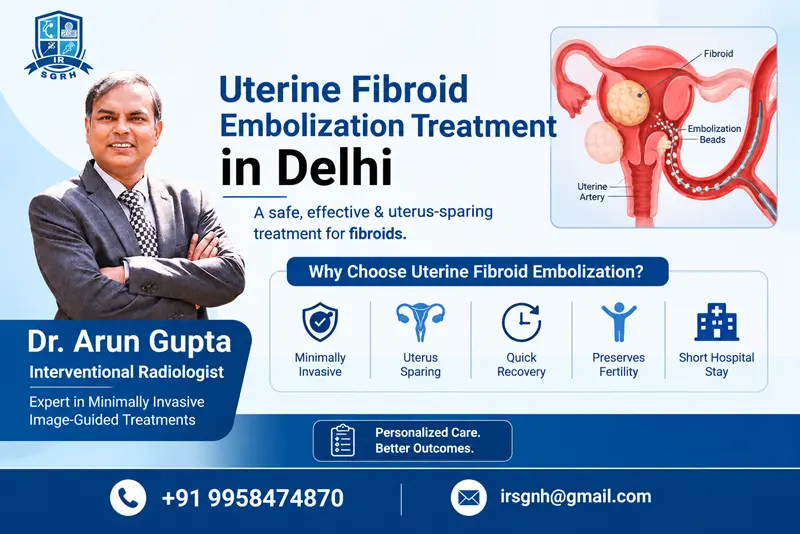
Uterine fibroids are non-cancerous growths that develop in or around the uterus. They are common during the reproductive years and may cause heavy menstrual bleeding, pelvic pressure, abdominal discomfort, frequent urination, or fertility-related concerns depending on their size and location. Some fibroids cause no symptoms and may only require observation.
For women whose fibroids are causing significant symptoms, treatment options can include medication, myomectomy, hysterectomy, and minimally invasive procedures such as uterine artery embolization. Uterine Fibroid Embolization Treatment in Delhi is a minimally invasive treatment that works by reducing the blood supply to fibroids, causing them to shrink over time.
Fibroid Embolization is performed by an interventional radiologist using image guidance. The uterus is preserved, and there is no need for a large abdominal incision. However, the procedure is not appropriate for every patient, so an individualized gynecological and radiological evaluation is important before treatment.
Symptoms, Causes and Diagnosis of Uterine Fibroids
Common Symptoms
Some women with fibroids have no symptoms. When symptoms occur, they may include:
- Heavy or prolonged menstrual bleeding
- Pelvic pressure or discomfort
- Painful periods
- Lower abdominal fullness
- Back or leg discomfort
- Frequent urination
- Constipation or pressure on the bowel
- Abdominal enlargement
- Pain during sexual intercourse
- Difficulty becoming pregnant in some circumstances
The severity of symptoms does not always correspond directly to the number or size of fibroids. Their location within the uterus can also influence symptoms.
Causes and Risk Factors
The exact cause of uterine fibroids is not completely understood. Hormonal and genetic factors appear to play important roles. Fibroids are influenced by reproductive hormones such as estrogen and progesterone.
Factors associated with an increased likelihood of developing fibroids can include age during the reproductive years, family history, hormonal factors, and certain metabolic or lifestyle-related factors.
Having fibroids does not automatically mean that treatment is required. Treatment is generally considered when symptoms are significant, fibroids are affecting quality of life, or there are other clinical reasons for intervention.
Diagnosis
Diagnosis generally begins with a medical history and pelvic examination when appropriate. Ultrasound is commonly used to identify fibroids and assess their size and location.
Depending on the individual case, additional imaging such as MRI may provide more detailed information about the number, size, vascularity, and location of fibroids. Blood tests may also be recommended when heavy menstrual bleeding has caused or may be causing anemia.
Before Uterine Fibroid Embolization Treatment in Delhi, imaging is important for determining whether embolization is a suitable treatment option and for planning the procedure.
Treatment, Procedure, Benefits and Comparison
What Is Fibroid Embolization?
Fibroid Embolization is a minimally invasive procedure that reduces blood flow to uterine fibroids. It is also commonly called uterine artery embolization (UAE).
During the procedure, an interventional radiologist introduces a thin catheter through a small arterial access site, commonly in the wrist or groin. Using imaging guidance, the catheter is directed toward the arteries supplying the uterus. Tiny embolic particles are then delivered into the selected uterine arteries.
These particles reduce the blood supply reaching the fibroids. As a result, the fibroids gradually shrink and symptoms may improve.
The procedure is performed using image guidance to allow precise catheter positioning. The exact technique, access route, anesthesia, and post-procedure monitoring depend on the patient’s clinical circumstances and the treating center.
Uterine Fibroid Embolization Treatment in Delhi: Benefits
Potential advantages of Uterine Fibroid Embolization Treatment in Delhi for appropriately selected patients include:
- Minimally invasive approach
- No large abdominal incision
- Uterus is preserved
- Treatment can address multiple fibroids during one procedure
- Reduced blood flow to the fibroids
- Gradual reduction in fibroid size
- Improvement in many fibroid-related symptoms
- Generally shorter recovery than major open surgery
However, individual outcomes vary. The suitability and expected benefits of embolization should be discussed with a qualified specialist after reviewing imaging and medical history.
Recovery After Embolization
After Uterine Fibroid Embolization Treatment in Delhi, patients are monitored for a period determined by the treating team. Some patients may experience pelvic cramping, fatigue, nausea, or mild fever-like symptoms during the first few days. These symptoms are often associated with the body’s response to reduced blood supply to the fibroids and are managed according to the doctor’s instructions.
Recovery varies between individuals. Many patients gradually return to routine activities over the following days to weeks, depending on their symptoms and overall health.
Follow-up appointments may include clinical assessment and imaging to evaluate fibroid shrinkage and symptom improvement. Fibroids generally do not disappear immediately; their volume decreases progressively over time.
Fibroid Embolization vs Surgery
Several treatments are available for symptomatic fibroids, and each has different considerations.
Myomectomy removes fibroids while attempting to preserve the uterus. It can be performed through different surgical approaches depending on fibroid size and location.
Hysterectomy removes the uterus and is a definitive treatment for fibroids, but it eliminates the possibility of future pregnancy.
Fibroid Embolization blocks blood flow to the fibroids without surgically removing them. The uterus remains in place, and the fibroids gradually shrink.
The appropriate option depends on factors such as age, symptoms, fibroid characteristics, reproductive plans, overall health, and personal preferences. Women considering future pregnancy should specifically discuss the available evidence and uncertainties surrounding fertility and pregnancy after embolization with their gynecologist and interventional radiologist.
About Dr Arun Gupta
Dr Arun Gupta is an Interventional Radiologist in Delhi with expertise in image-guided minimally invasive procedures. His interventional radiology practice includes vascular and non-vascular interventions, with services selected according to the patient’s clinical diagnosis and imaging findings.
For patients considering Uterine Fibroid Embolization Treatment in Delhi, Dr Arun Gupta can evaluate the fibroid characteristics, review relevant imaging, explain the embolization procedure, and discuss whether it is an appropriate treatment option.
His interventional radiology services may include uterine fibroid embolization, uterine artery embolization, prostate artery embolization, vascular interventions, image-guided biopsies, and other minimally invasive procedures, depending on individual clinical requirements.
Frequently Asked Questions About Uterine Fibroid Embolization Treatment in Delhi
1. What is Uterine Fibroid Embolization Treatment in Delhi?
Uterine Fibroid Embolization Treatment in Delhi is a minimally invasive procedure used to reduce the blood supply to uterine fibroids. Reduced blood flow causes the treated fibroids to shrink gradually and can help relieve symptoms.
2. Is Fibroid Embolization a surgery?
Fibroid Embolization is not conventional open surgery. It is a catheter-based, image-guided procedure performed through a small vascular access point.
3. Does uterine fibroid embolization remove the fibroid?
No. The procedure reduces the blood supply to the fibroid, after which the fibroid generally shrinks gradually. It is different from myomectomy, which surgically removes the fibroid.
4. Can multiple fibroids be treated with embolization?
Yes. One of the potential advantages of embolization is that multiple fibroids can often be treated during the same procedure because the blood supply to the uterus is targeted rather than treating each fibroid through a separate surgical incision.
5. How long does recovery take after Fibroid Embolization?
Recovery varies from person to person. Pelvic cramps, fatigue, and discomfort can occur during the initial recovery period. Your doctor will provide individualized instructions regarding medication, activity, and follow-up.
6. Will fibroids disappear immediately after embolization?
No. Fibroids generally shrink progressively rather than disappearing immediately. Follow-up imaging can be used to monitor their response to treatment.
7. Is Uterine Fibroid Embolization suitable for everyone?
No. Suitability depends on fibroid size, number, location, symptoms, imaging findings, reproductive plans, medical history, and other factors. A specialist assessment is necessary before deciding on treatment.
8. Can I become pregnant after Fibroid Embolization?
Pregnancy after embolization is possible, but the impact of UAE on fertility and pregnancy outcomes requires individualized discussion. Women who wish to become pregnant should discuss fertility-preserving options with both a gynecologist and an interventional radiologist before treatment.
9. What are the possible risks of Fibroid Embolization?
Potential complications can include pain, infection, bleeding or bruising at the access site, temporary menstrual changes, and, rarely, complications affecting the uterus or other organs. The individual risks should be discussed before the procedure.
10. Who performs Uterine Fibroid Embolization?
The procedure is performed by an appropriately trained interventional radiologist, often in collaboration with a gynecologist when appropriate. Dr Arun Gupta, Interventional Radiologist in Delhi, provides evaluation and image-guided treatment for selected patients with uterine fibroids.
Conclusion
Uterine Fibroid Embolization Treatment in Delhi offers a minimally invasive option for women with symptomatic uterine fibroids who may benefit from reducing the blood supply to the fibroids while preserving the uterus. The procedure can help reduce fibroid volume and improve symptoms in appropriately selected patients.
Fibroid Embolization is different from myomectomy and hysterectomy, and no single treatment is suitable for every woman. A detailed assessment of fibroid characteristics, symptoms, reproductive goals, medical history, and imaging findings is essential before choosing a treatment.
If uterine fibroids are causing heavy bleeding, pelvic pressure, pain, or other persistent symptoms, book a consultation with Dr Arun Gupta, Interventional Radiologist in Delhi. During the consultation, you can discuss your imaging findings, treatment options, potential benefits and risks, recovery expectations, and whether Uterine Fibroid Embolization Treatment in Delhi is appropriate for your condition.