
Radiofrequency ablation (RFA) is a minimally invasive medical procedure that uses heat generated by radiofrequency energy to target specific tissue. Depending on the condition being treated, it may help reduce pain, shrink selected benign growths, or manage certain vascular and other medical problems. For patients considering this procedure, understanding the RFA Treatment Cost in Delhi involves more than looking for a single price.
The total cost can vary according to the diagnosis, the size and location of the treatment area, imaging requirements, hospital facilities, the type of RFA procedure, and follow-up care. There is no single cost that applies to every patient, and an individual estimate should be provided only after clinical evaluation.
At the Department of Interventional Radiology, Sir Ganga Ram Hospital, New Delhi, Dr Arun Gupta, Interventional Radiologist in Delhi, can be contacted to discuss an appropriate assessment and available treatment options. Patients should confirm the specific procedure, suitability, and associated charges directly with the treating team.
1. What Conditions May Require Radiofrequency Ablation?
The first step in understanding the RFA Treatment Cost in Delhi is identifying the condition for which RFA is being considered. Radiofrequency ablation is not one universal treatment; the technique, equipment, treatment duration, and aftercare differ according to the medical indication.
What is radiofrequency ablation?
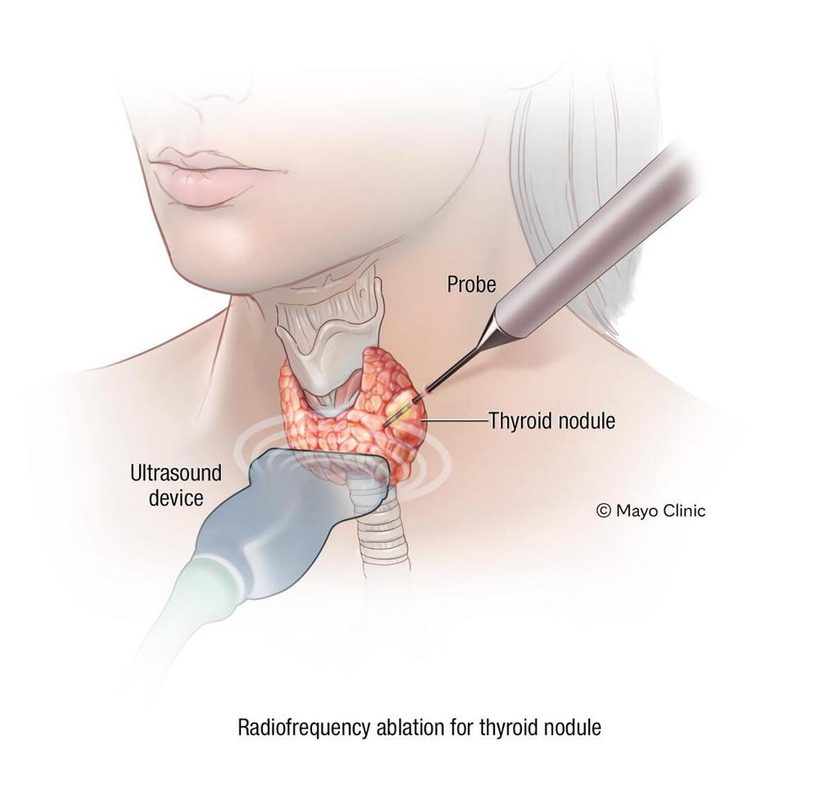
Radiofrequency ablation uses electrical energy to generate controlled heat in a targeted area. A specialist guides a thin probe or needle to the treatment site, often with ultrasound, CT, or another imaging method. The heat affects the selected tissue while the procedure is planned to limit damage to surrounding structures.
RFA may be used in selected cases involving:
- Thyroid nodules: Some symptomatic, confirmed benign thyroid nodules may be suitable for thermal ablation after appropriate assessment.
- Liver tumours: RFA may be considered for selected liver lesions, depending on their size, number, location, and the patient’s overall condition.
- Pain management: Radiofrequency techniques can target specific nerves responsible for certain chronic pain conditions.
- Other selected conditions: Ablation may be used for particular tumours or other medical indications when a specialist considers it appropriate.
Not every condition can be treated with RFA, and the procedure is not automatically preferable to surgery, medication, or observation. The recommended approach depends on the diagnosis and the expected benefits and risks.
Symptoms and causes that may lead to treatment
Symptoms vary according to the condition being investigated. A thyroid nodule may cause a lump in the neck, difficulty swallowing, pressure, or voice changes, although many nodules cause no symptoms. Liver lesions may be detected during imaging rather than through specific symptoms. Nerve-related pain conditions can cause persistent discomfort, while other causes of pain require different treatment.
The underlying causes also differ. Thyroid nodules may develop due to changes in thyroid tissue, while liver tumours and chronic pain have separate causes and risk factors. Symptoms alone cannot establish whether RFA is appropriate. A clinical examination and condition-specific investigations are necessary before treatment is recommended.
2. Diagnosis, RFA Procedure and Treatment Planning
A reliable estimate for RFA Treatment Cost in Delhi begins with a proper diagnosis and a treatment plan. The specialist must establish whether RFA is suitable and determine the resources required for the procedure.
How is the condition diagnosed?
Depending on the medical indication, assessment may include:
- Medical history and physical examination.
- Ultrasound, CT, MRI, or other relevant imaging.
- Blood tests where clinically required.
- Biopsy or other tissue sampling when indicated.
- Review of previous treatments, medications, allergies, and relevant medical conditions.
For example, thyroid nodules may require ultrasound risk assessment and fine-needle aspiration or another biopsy method before ablation. Liver lesions require their own diagnostic pathway. The investigations are not identical for every patient, and not everyone needs every test.
How is radiofrequency ablation performed?
The procedure depends on the condition being treated. In many cases, the patient is positioned appropriately, the treatment area is prepared, and local anaesthesia or sedation is used according to the clinical plan. The specialist places an ablation probe under suitable imaging guidance and delivers controlled radiofrequency energy to the target.
After the procedure, the medical team monitors the patient for discomfort, bleeding, or other complications. Some patients can leave the hospital on the same day, while others may require longer observation or admission.
The treatment method, anaesthesia, imaging guidance, and length of observation can all influence the RFA Treatment Cost in Delhi.
Is RFA suitable for every patient?
No. Suitability depends on the condition, the size and location of the target, nearby organs and blood vessels, medical history, and the availability of appropriate expertise and equipment. Some patients may benefit more from surgery, medication, another minimally invasive procedure, or monitoring.
Patients should ask the treating specialist to explain the expected outcome, alternatives, possible complications, and the reason RFA is being recommended for their specific diagnosis.
3. Factors Affecting RFA Cost, Benefits, Recovery and Comparison
There is no universal price for RFA. The RFA Treatment Cost in Delhi can differ significantly between patients because the procedure and resources required are individualised. A hospital or specialist should provide a personalised estimate after reviewing the case.
Key factors affecting the cost
1. Type of condition and RFA procedure
The procedure used for a thyroid nodule is different from one used for a liver lesion or a pain-related condition. The equipment, expertise, and monitoring requirements can therefore vary.
2. Size, number and location of the target
A larger or more complex treatment area may require additional planning, longer procedure time, or more extensive monitoring. Targets close to critical structures can require specialised techniques.
3. Imaging and diagnostic tests
Ultrasound, CT, MRI, biopsy, and laboratory tests may contribute to the overall expense, depending on which investigations are clinically necessary and whether recent results are available.
4. Hospital and facility charges
The facility, procedure room, imaging equipment, nursing support, anaesthesia services, and recovery arrangements may affect the estimate. Charges can vary by hospital and the level of care required.
5. Specialist and procedural requirements
The complexity of the case, the specialist team involved, and the type of equipment used may influence professional and procedural charges.
6. Medicines, observation and follow-up
Prescribed medicines, post-procedure observation, hospital admission when required, follow-up consultations, and repeat imaging may add to the total cost.
7. Previous treatment and medical conditions
Previous procedures, additional health conditions, or the need for extra investigations can change the treatment plan. These factors should be reviewed before a final estimate is given.
When discussing the RFA Treatment Cost in Delhi, ask for an itemised estimate that clarifies which tests, procedure charges, medicines, hospital services, and follow-up appointments are included. Also ask whether additional treatment sessions could be necessary and how those would be billed.
What are the benefits of radiofrequency ablation?
For appropriately selected patients, potential benefits may include:
- A minimally invasive approach compared with some open surgical procedures.
- A smaller access site rather than a large surgical incision.
- Targeted treatment guided by imaging where appropriate.
- Shorter recovery in some cases compared with more invasive alternatives.
- The possibility of avoiding or delaying surgery for certain conditions.
These benefits are not guaranteed. Results depend on the diagnosis, technique, clinical expertise, and the patient’s individual response. RFA can also carry risks, including pain, bleeding, infection, injury to nearby structures, or incomplete treatment. The specific risks vary by procedure.
Recovery after RFA
Recovery depends on the treated area and the type of ablation performed. Some patients experience temporary soreness or fatigue. Others may need a longer period of observation or restrictions on certain activities. Follow-up imaging or clinical review may be required to assess the response.
Patients should follow their treating team’s instructions regarding wound care, medicines, activity, and follow-up. Seek prompt medical advice for concerning symptoms such as worsening pain, fever, significant swelling, bleeding, or new symptoms after the procedure.
RFA versus surgery: How do they compare?
| Factor | Radiofrequency ablation | Surgery |
| Approach | Usually uses a probe or needle to target tissue | May require an incision to remove or treat tissue |
| Anaesthesia | Depends on the condition and procedure | Depends on the operation |
| Recovery | May be shorter for selected procedures | Varies with the operation and extent of surgery |
| Treatment suitability | Best for selected conditions and targets | May be preferred when removal or a wider operation is needed |
| Follow-up | May include imaging or further treatment | May include wound care, pathology review, and follow-up |
Neither option is always better. For some conditions, surgery remains the recommended treatment; for others, RFA may be a suitable alternative. Discuss the likely outcomes, risks, and long-term monitoring requirements with your specialist before deciding.
4. Frequently Asked Questions About RFA Treatment Cost in Delhi
1. What is the RFA Treatment Cost in Delhi in 2026?
There is no single price that applies to every patient. The cost depends on the condition being treated, procedure complexity, imaging and tests, hospital charges, anaesthesia, and follow-up requirements. Request a personalised estimate after medical evaluation rather than relying on a general figure.
2. What does the radiofrequency ablation cost usually include?
Depending on the hospital’s quotation, it may include the procedure, specialist charges, imaging guidance, equipment, and recovery-room services. Diagnostic tests, medicines, hospital admission, and follow-up imaging may be charged separately. Ask for an itemised estimate before proceeding.
3. Is RFA a better option than surgery?
Not in every case. RFA may be suitable for selected conditions and can offer a minimally invasive approach, but surgery may provide better or more definitive treatment for others. The choice depends on the diagnosis, target size and location, expected results, and the patient’s health.
4. Is radiofrequency ablation painful?
Discomfort varies by procedure. Local anaesthesia, sedation, or other pain-control measures may be used as appropriate. Temporary soreness or discomfort after treatment is possible. The specialist should explain what to expect and how discomfort will be managed.
5. How long does recovery after RFA take?
Recovery can range from a short period of observation to a longer recovery, depending on the condition, treatment area, and any complications. Your doctor will advise when to resume normal activities and whether follow-up tests are required.
6. Does RFA require hospital admission?
Some procedures are performed as day-care treatments, while others may require overnight observation or a longer stay. The decision depends on the procedure, the patient’s medical condition, and the hospital’s protocol.
7. Can RFA be repeated if the condition returns?
Repeat treatment may be considered for certain conditions, but it is not suitable in every case. The need for further treatment depends on follow-up findings, the original diagnosis, the response to the first procedure, and available alternatives.
8. How can I find an RFA specialist near me in Delhi?
Look for a qualified specialist with experience relevant to your specific condition and access to appropriate imaging and hospital facilities. Confirm that the procedure you need is available, ask about risks and alternatives, and request a personalised cost estimate before making a decision.
9. Does insurance cover radiofrequency ablation?
Coverage varies by insurer, policy terms, diagnosis, hospital network, and whether the procedure meets the policy’s medical-necessity criteria. Contact your insurer and hospital billing team to confirm eligibility, pre-authorisation requirements, exclusions, and any out-of-pocket expenses.
10. What should I bring to an RFA consultation?
Bring previous medical reports, imaging scans, biopsy results where relevant, medication details, allergy information, and records of earlier treatments. These help the specialist assess your condition and advise on the most appropriate next steps.
Conclusion
Understanding the RFA Treatment Cost in Delhi requires a review of the medical condition, the proposed procedure, and the services needed before and after treatment. Factors such as diagnostic tests, imaging guidance, hospital facilities, procedural complexity, medicines, and follow-up can all influence the final estimate.
Radiofrequency ablation may be a useful minimally invasive option for selected patients, but suitability must be established through an individual assessment. Compare treatment options on the basis of clinical need, expected outcomes, safety, and the full cost of care—not price alone.
Book an appointment for an assessment
If you are considering radiofrequency ablation, consult Dr Arun Gupta, Interventional Radiologist in Delhi, to discuss your diagnosis, available treatment options, and the factors that may affect your individual estimate. Confirm procedure availability and charges with the hospital before booking.
Location: Department of Interventional Radiology, Sir Ganga Ram Hospital, G20-A, near Ultrasound Department, Old Rajinder Nagar, Rajinder Nagar, New Delhi, Delhi – 110060.
Contact: +919958474870