

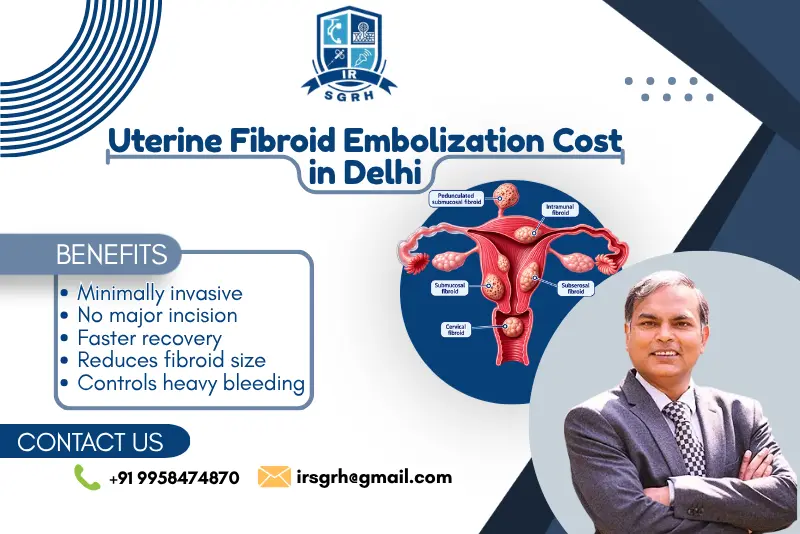
Uterine fibroids are common, non-cancerous growths that develop in or around the muscular wall of the uterus. While some fibroids cause no symptoms, others can lead to heavy menstrual bleeding, prolonged periods, pelvic pain, abdominal pressure, frequent urination, and discomfort during daily activities.
For women looking for an alternative to major surgery, Uterine Fibroid Embolization (UFE) is an image-guided, minimally invasive treatment performed by an interventional radiologist. It works by reducing the blood supply to fibroids, allowing them to gradually shrink.
If you are researching Uterine Fibroid Embolization Cost in Delhi, it is important to understand that the final expense varies from patient to patient. Factors such as the number and size of fibroids, imaging requirements, hospital facilities, embolic materials, doctor’s fees, and length of observation can affect the overall cost. Published Indian estimates vary considerably, so an individualized quotation after medical evaluation is more reliable than a fixed online price.
Symptoms, Causes and Diagnosis of Uterine Fibroids
Common Symptoms
Fibroids may remain asymptomatic, but symptomatic fibroids can affect quality of life. Common symptoms include:
- Heavy or prolonged menstrual bleeding
- Pelvic pain or pressure
- Lower abdominal heaviness or fullness
- Pain during sexual intercourse
- Frequent urination
- Difficulty with bowel movements
- Lower back pain
- Abdominal enlargement
- Anaemia related to heavy menstrual bleeding
- In some women, fertility or pregnancy-related concerns
The location, size, and number of fibroids influence the symptoms experienced by each patient.
What Causes Uterine Fibroids?
The exact cause of fibroids is not completely understood. Their development is associated with genetic, hormonal, and other biological factors. Fibroids can occur in different parts of the uterus and vary considerably in size.
They may develop within the muscular wall of the uterus, project toward the uterine cavity, or grow toward the outside of the uterus. Because of these differences, treatment should be selected according to the individual patient’s anatomy and symptoms.
How Are Fibroids Diagnosed?
Diagnosis generally begins with a medical history and pelvic examination. Depending on the symptoms, the doctor may recommend:
- Pelvic ultrasound
- MRI of the pelvis
- Blood tests, particularly when heavy bleeding may have caused anaemia
- Additional gynecological evaluation when indicated
MRI or ultrasound can help determine the size, number, and location of fibroids and assist in deciding whether UFE is appropriate.
Uterine Fibroid Embolization Procedure and Cost in Delhi
What Is Minimally Invasive UFE Treatment?
Minimally Invasive UFE Treatment is a non-open-surgical procedure designed to reduce the blood supply feeding uterine fibroids.
During UFE, an interventional radiologist introduces a thin catheter through a small arterial access point, commonly in the groin or wrist. Using real-time X-ray guidance, the catheter is carefully navigated to the uterine arteries. Tiny embolic particles are then delivered into the vessels supplying the fibroids.
By reducing this blood flow, the fibroids gradually shrink and soften, which can reduce bleeding, pressure, and pain.
What Is the Uterine Fibroid Embolization Cost in Delhi?
The Uterine Fibroid Embolization Cost in Delhi does not have one universal price. A patient’s treatment plan and hospital requirements determine the final estimate.
The total cost may include:
| Cost factor | What it may include |
| Consultation | Initial assessment by the specialist |
| Diagnostic imaging | Ultrasound or MRI |
| Blood investigations | Pre-procedure laboratory tests |
| Interventional radiology charges | Procedure and specialist fees |
| Embolic material | Particles used during embolization |
| Cath lab/imaging | Fluoroscopy and procedure-room charges |
| Medicines and disposables | Pain control, contrast and other required supplies |
| Hospital/observation charges | Day-care or overnight monitoring |
| Follow-up | Clinical review and imaging when required |
The cost of UFE may range from approximately ₹90,000 to ₹2,50,000. However, the final cost in Delhi can vary depending on the hospital, procedure complexity, specialist fees, embolic materials, diagnostic tests, and post-procedure care.”
The best way to determine the Uterine Fibroid Embolization Cost in Delhi for your case is to undergo an appropriate consultation and review of your imaging.
Is UFE a Non-Surgical Fibroid Treatment?
UFE is commonly considered a Non-Surgical Fibroid Treatment because it does not involve removing the uterus or making a large abdominal incision. Instead, the procedure is performed through a small vascular access point using a catheter.
UFE can be an alternative to procedures such as myomectomy or hysterectomy for appropriately selected patients. However, it is not suitable for every woman. Your interventional radiologist and gynecologist should consider your symptoms, fibroid characteristics, medical history, pregnancy plans, and other factors before recommending treatment.
Benefits, Recovery and Comparison With Surgery
Benefits of Minimally Invasive UFE Treatment
Potential advantages of Minimally Invasive UFE Treatment include:
- No large abdominal surgical incision
- Treatment of multiple fibroids during one procedure
- Shorter hospital stay in many cases
- Lower blood loss compared with major surgery
- Faster return to normal activities than many conventional surgical approaches
- Preservation of the uterus
- Reduction in fibroid-related bleeding, pressure, and pain
RadiologyInfo reports that nearly 90% of patients in follow-up studies experienced significant or complete improvement in fibroid-related symptoms after UFE. ACOG also notes that UFE can reduce pain, pressure, and bleeding and generally involves a shorter hospital stay than hysterectomy or myomectomy.
UFE Recovery
Recovery differs between patients. Pelvic cramping is common after embolization and is generally strongest during the first day. Some patients may also experience mild nausea, fatigue, or a low-grade fever.
Many patients can leave the hospital the same day or after overnight observation, depending on pain control and the treating team’s protocol. Normal activities are often resumed within one to two weeks, although individual recovery varies.
Symptom improvement is gradual. Some women notice improvement within several weeks, while others may require a few months. Fibroids can continue shrinking for many months after treatment.
Patients should follow their doctor’s instructions regarding medication, physical activity, wound care, and follow-up appointments.
UFE vs Myomectomy vs Hysterectomy
UFE, myomectomy, and hysterectomy are different treatment approaches.
UFE: Blocks blood supply to fibroids so they shrink while the uterus remains in place.
Myomectomy: Surgically removes the fibroids while attempting to preserve the uterus.
Hysterectomy: Surgically removes the uterus and therefore eliminates the possibility of future uterine fibroids.
The appropriate option depends on fibroid characteristics, symptoms, age, overall health, and reproductive goals. In particular, women who wish to become pregnant should discuss fertility considerations carefully because the effects of UFE on future pregnancy are not fully established.
Risks and Important Considerations
Although UFE is minimally invasive, it is still a medical procedure and has potential risks. These can include bleeding or bruising at the catheter site, infection, arterial injury, contrast reactions, uterine injury, and ovarian effects. Rarely, additional treatment may be required.
Women who are pregnant or planning pregnancy should specifically discuss their reproductive plans with their treating specialists before choosing UFE.
FAQs About Uterine Fibroid Embolization Cost in Delhi
1. What is the average Uterine Fibroid Embolization Cost in Delhi?
There is no fixed cost for this procedure in India. The estimated cost generally ranges from ₹90,000 to ₹2,50,000, depending on the hospital, complexity of the procedure, specialist fees, embolic materials used, diagnostic tests, and post-procedure care.
2. Is UFE a Non-Surgical Fibroid Treatment?
Yes. UFE is a minimally invasive, catheter-based treatment rather than open surgery. It reduces blood flow to fibroids so they gradually shrink.
3. How long does a UFE take?
The procedure itself commonly takes around 60–90 minutes, although preparation and post-procedure observation add to the total hospital time.
4. Does UFE remove fibroids?
No. UFE does not physically remove fibroids. It blocks their blood supply, after which the treated fibroids gradually shrink and soften.
5. How soon can I return to work after UFE?
Many patients return to normal activities within one to two weeks, depending on their symptoms, occupation, and recovery.
6. Does UFE preserve the uterus?
Yes. UFE treats the fibroids without removing the uterus. However, preserving the uterus does not automatically mean that UFE is the best option for every patient.
7. Can UFE treat multiple fibroids?
Yes. One advantage of UFE is that it can treat multiple fibroids during the same procedure because the treatment targets their blood supply.
8. Is UFE painful?
Cramping and pelvic discomfort are common after UFE, particularly during the first several hours. Doctors provide pain-control medication and monitor patients after the procedure.
9. Is UFE suitable for women who want future pregnancy?
This requires an individualized discussion. ACOG states that future pregnancy can be affected and that the impact of UFE on pregnancy remains an important consideration. Women planning pregnancy should discuss alternatives and fertility goals with their gynecologist and interventional radiologist before treatment.
10. Who performs UFE?
UFE is usually performed by an interventional radiologist, a specialist trained in image-guided catheter-based procedures.
Why Choose Interventional Radiology India for Fibroid Treatment?
Dr. Arun Gupta, MBBS, MD, EBIR, is a Chairperson and Senior Consultant in Interventional Radiology and Immediate Past Secretary of ISVIR. He completed his MD in Radio Diagnosis from GSVM Medical College, Kanpur, and advanced training in Interventional Radiology at SGPGI, Lucknow. He specializes in Uterine Fibroid Embolization (UFE) and other image-guided minimally invasive treatments.
The service portfolio associated with the practice includes:
- Uterine Fibroid Embolization (UFE)
- Uterine Artery Embolization (UAE)
- Prostate Artery Embolization (PAE)
- Thyroid ablation
- TARE and other interventional oncology procedures
- Varicocele embolization
- Other image-guided minimally invasive interventions
For women considering Minimally Invasive UFE Treatment, the clinical evaluation should include assessment of symptoms, imaging findings, medical history, and treatment goals. This helps determine whether UFE is appropriate and allows the team to provide a more accurate estimate of the Uterine Fibroid Embolization Cost in Delhi.
Conclusion
Uterine fibroids can significantly affect menstrual health, comfort, mobility, and everyday quality of life. Fortunately, women who want to avoid major surgery may have minimally invasive options.
Minimally Invasive UFE Treatment uses image guidance and catheter-based embolization to reduce the blood supply to fibroids, helping them shrink over time. It can provide symptom relief while preserving the uterus and generally offers a shorter recovery than major surgical procedures.
If you are comparing treatment options or want to know the Uterine Fibroid Embolization Cost in Delhi for your individual condition, a specialist consultation is the right starting point. The cost should be discussed after reviewing your fibroid size, number, location, investigations, and overall health rather than relying on a generic online estimate.
Book an appointment with Interventional Radiology India to discuss your symptoms, imaging reports, eligibility for UFE, expected recovery, and personalized treatment cost.