
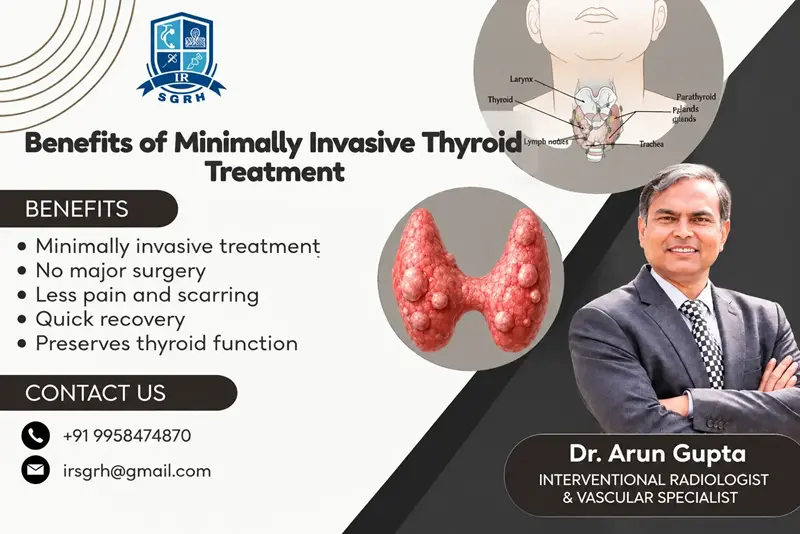
Thyroid nodules are common abnormalities that develop within the thyroid gland. Most thyroid nodules are benign, but some can become large enough to cause visible neck swelling, difficulty swallowing, pressure symptoms, or cosmetic concerns. Traditionally, surgery has been used for nodules that require treatment. However, advances in interventional radiology have introduced minimally invasive options for appropriately selected patients.
Thyroid Nodule RFA in Delhi is one such treatment option. RFA, or radiofrequency ablation, uses controlled thermal energy to destroy the targeted tissue within a thyroid nodule while aiming to preserve the surrounding healthy thyroid tissue. It is performed under ultrasound guidance and can be an alternative to surgery for selected benign thyroid nodules.
The approach is particularly relevant for patients looking for Non-Surgical Thyroid Nodule Treatment and those who want to avoid a surgical incision and potentially preserve normal thyroid function.
It is important to understand that not every thyroid nodule is suitable for ablation. Proper evaluation, ultrasound assessment and, when indicated, biopsy are essential before treatment. A specialist can determine whether Laser Ablation or radiofrequency ablation is appropriate based on the characteristics of the nodule.
For patients considering Thyroid Nodule RFA in Delhi, consultation with an experienced interventional radiology team can help clarify the diagnosis, available treatment options, expected results and follow-up requirements.
Symptoms and Causes of Thyroid Nodules
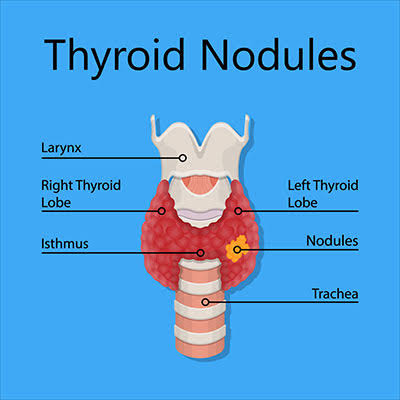
Many thyroid nodules do not cause any symptoms and are discovered incidentally during a routine examination or imaging test. When a nodule becomes larger, however, symptoms may become noticeable.
Common symptoms
Depending on its size and location, a thyroid nodule may cause:
- A visible or palpable lump in the neck
- Neck swelling
- A feeling of pressure or fullness in the throat
- Difficulty swallowing
- Difficulty breathing in larger nodules
- A sensation of something being stuck in the throat
- Hoarseness or voice changes in some cases
- Cosmetic concerns due to an enlarged neck
- Local discomfort or tenderness in selected cases
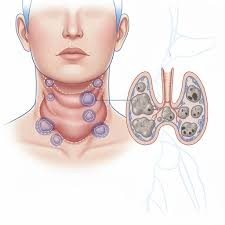
Thyroid nodules can have several causes. They may develop because of benign thyroid tissue overgrowth, thyroid cysts, inflammation, multinodular thyroid disease or other thyroid conditions. A small proportion of nodules may be malignant, which is why proper assessment is important before considering ablation.
For patients researching Thyroid Nodule RFA in Delhi, understanding the cause and nature of the nodule is the first step toward selecting the right treatment.
Diagnosis and Treatment Options
Before recommending Thyroid Nodule RFA in Delhi, the medical team generally evaluates the patient’s symptoms, medical history, thyroid function and imaging findings.
Diagnosis
A typical evaluation may include:
Clinical examination:
The doctor examines the neck and thyroid gland to assess the size and location of the swelling.
Thyroid ultrasound:
Ultrasound provides detailed information about the nodule, including its size, composition, margins and relationship with surrounding structures. It is also essential for planning image-guided treatment.
Thyroid function tests:
Blood tests such as TSH and other thyroid hormone tests may be recommended to understand thyroid function.
FNAC or biopsy:
Fine-needle aspiration cytology (FNAC) may be recommended when appropriate to establish whether a nodule is benign or suspicious. The decision depends on the ultrasound characteristics and clinical situation.
The Interventional Radiology India team also provides ultrasound- and CT-guided FNAC and biopsy procedures.
Treatment and procedure
For suitable benign nodules, Thyroid Nodule RFA in Delhi is performed using image guidance. The patient is positioned comfortably, the skin is cleaned and local anaesthesia is administered.
The interventional radiologist uses ultrasound to guide a thin electrode into the targeted portion of the thyroid nodule. Radiofrequency energy is then delivered in controlled amounts to heat and treat the abnormal tissue.
The goal is to destroy the selected nodule tissue while protecting important nearby structures, including the recurrent laryngeal nerve and normal thyroid tissue.
The treated tissue does not generally disappear immediately. Instead, the body gradually absorbs the ablated tissue over time, leading to progressive reduction in nodule volume.
Although RFA is a form of thermal ablation, patients may also encounter the term Laser Ablation when researching minimally invasive thyroid procedures. Both are image-guided thermal techniques, but they use different energy sources and devices. The appropriate technique depends on the nodule and the specialist’s assessment.
The procedure is generally much less invasive than conventional thyroid surgery. However, suitability must be determined individually.
About the Doctor and Interventional Radiology Services
Dr. Arun Gupta is listed by Interventional Radiology India as Chairperson and Senior Consultant in the Department of Interventional Radiology at Sir Ganga Ram Hospital. According to the practice’s published profile, he completed postgraduate training in radiodiagnosis and subsequently pursued super-specialization training in Interventional Radiology at SGPGI, Lucknow.
The practice focuses on image-guided, minimally invasive procedures. Its listed services include Thyroid Nodule Ablation, liver tumor treatment, uterine artery embolisation, prostatic artery embolization, varicocele treatment, lymphatic interventions, pain management, bronchial artery embolization, FNAC/biopsy and drainage procedures, among others.
The practice has also published information regarding thyroid ablation and reports experience with thermal ablation for benign thyroid nodules.
Benefits, Recovery and Comparison
One of the major reasons patients consider Thyroid Nodule RFA in Delhi is the minimally invasive nature of the procedure.
Benefits of thyroid nodule RFA
Potential benefits for appropriately selected patients include:
- No conventional surgical incision
- No large neck scar
- Image-guided precision
- Local anaesthesia in many cases
- Shorter recovery compared with conventional surgery
- Less disruption to surrounding thyroid tissue
- Potential preservation of thyroid function
- Ability to return to normal activities relatively quickly
- Useful option for patients who wish to avoid surgery
These benefits do not mean RFA is automatically better than surgery. Treatment selection depends on the diagnosis, nodule characteristics, symptoms, previous test results and individual patient factors.
Recovery after RFA
Recovery varies from person to person. Some patients may experience mild neck discomfort, swelling or tenderness after the procedure. These symptoms are generally temporary.
The treating team will provide specific instructions regarding medication, activity and follow-up. Patients should attend recommended ultrasound examinations to monitor the reduction in nodule size.
The reduction is gradual rather than immediate. The nodule may continue to shrink over the following months as the body processes the treated tissue.
RFA versus conventional surgery
| Feature | Thyroid RFA | Conventional Thyroid Surgery |
| Approach | Minimally invasive | Surgical |
| Incision | Small needle entry | Neck incision |
| Anaesthesia | Often local anaesthesia | Usually general anaesthesia |
| Scar | Usually minimal | Visible surgical scar may occur |
| Thyroid tissue | Aims to preserve normal tissue | Part of thyroid may be removed |
| Recovery | Generally shorter | Generally longer |
| Hospital stay | Often outpatient/day care | May require hospital stay |
| Suitability | Selected benign nodules | Broad range of indications, including many cancers |
Laser Ablation may also be considered in some thyroid-nodule treatment settings. The choice between radiofrequency and other ablation technologies should be made by a qualified specialist after reviewing the nodule’s characteristics.
Importantly, ablation is not appropriate for every thyroid nodule. Suspicious or confirmed thyroid cancers, invasive disease and certain complex nodules may require surgery or another treatment approach.
Frequently Asked Questions
1. What is Thyroid Nodule RFA in Delhi?
Thyroid Nodule RFA in Delhi is a minimally invasive procedure that uses radiofrequency energy to thermally treat selected thyroid nodules under ultrasound guidance. It is primarily considered for appropriately evaluated benign nodules.
2. Is RFA a non-surgical thyroid nodule treatment?
Yes. RFA is considered a minimally invasive, non-surgical treatment option because it does not require conventional open thyroid surgery. However, whether it is suitable depends on the patient’s diagnosis and nodule characteristics.
3. Is RFA the same as Laser Ablation?
No. Both are thermal ablation techniques, but they use different energy sources. RFA uses radiofrequency energy, whereas Laser Ablation uses laser energy. A specialist can recommend the most suitable technique based on the individual case.
4. Does thyroid RFA leave a scar?
Because RFA uses a needle-like electrode rather than a conventional surgical incision, it generally does not leave the type of visible neck scar associated with thyroid surgery.
5. Will the thyroid nodule disappear immediately after RFA?
No. The treated tissue generally shrinks gradually. Follow-up ultrasound examinations help monitor the reduction in nodule volume over time.
6. Can RFA preserve thyroid function?
One potential advantage of treating a nodule without removing a portion of the thyroid is that normal thyroid tissue can be preserved. However, thyroid function varies between patients, so follow-up testing may be recommended.
7. Is thyroid RFA suitable for thyroid cancer?
RFA is not a universal treatment for thyroid cancer. Conventional surgery remains important for many malignant or suspicious thyroid nodules. The appropriate treatment depends on the diagnosis and cancer characteristics.
8. How long does recovery take after thyroid RFA?
Recovery is generally shorter than conventional thyroid surgery, but the exact timeline varies. Your doctor will provide individualized advice about returning to work, exercise and other activities.
9. How do I know whether I am suitable for thyroid RFA?
A specialist usually reviews your symptoms, ultrasound findings, thyroid function tests and biopsy/FNAC results where indicated. This assessment determines whether RFA or another treatment is more appropriate.
10. Where can I consult for thyroid nodule treatment in Delhi?
Patients can consult the Interventional Radiology team at Sir Ganga Ram Hospital, Old Rajendra Nagar, Delhi, for assessment of minimally invasive treatment options.
Conclusion
Thyroid Nodule RFA in Delhi provides a modern, minimally invasive option for appropriately selected patients with benign thyroid nodules. By using ultrasound guidance and controlled radiofrequency energy, the procedure aims to reduce the treated nodule while minimizing damage to surrounding healthy thyroid tissue.
For patients seeking Non-Surgical Thyroid Nodule Treatment, RFA can offer advantages such as a minimally invasive approach, limited scarring and a relatively short recovery period. Laser Ablation is another thermal ablation technology that may be considered in selected cases, but the best technique depends on the individual patient’s condition.
The most important step is a proper diagnosis before treatment. Not every thyroid nodule requires intervention, and not every nodule is suitable for ablation. A specialist evaluation helps determine whether observation, medication, ablation or surgery is the most appropriate option.
Book Your Consultation for Thyroid Nodule Treatment in Delhi
If you have a thyroid nodule, neck swelling, swallowing difficulty or have been advised to consider thyroid surgery, consult an experienced interventional radiology team to understand your treatment options.
For expert evaluation regarding Thyroid Nodule RFA in Delhi, contact the Interventional Radiology team at Sir Ganga Ram Hospital, Old Rajendra Nagar, Delhi – 110060, India.
Phone: +91 9958474870
Email: irsgrh@gmail.com
Hospital: Sir Ganga Ram Hospital, Old Rajendra Nagar, Delhi – 110060, India
Interventional Radiology India
Book an appointment today and discuss whether RFA or another Non-Surgical Thyroid Nodule Treatment is appropriate for your thyroid condition.